
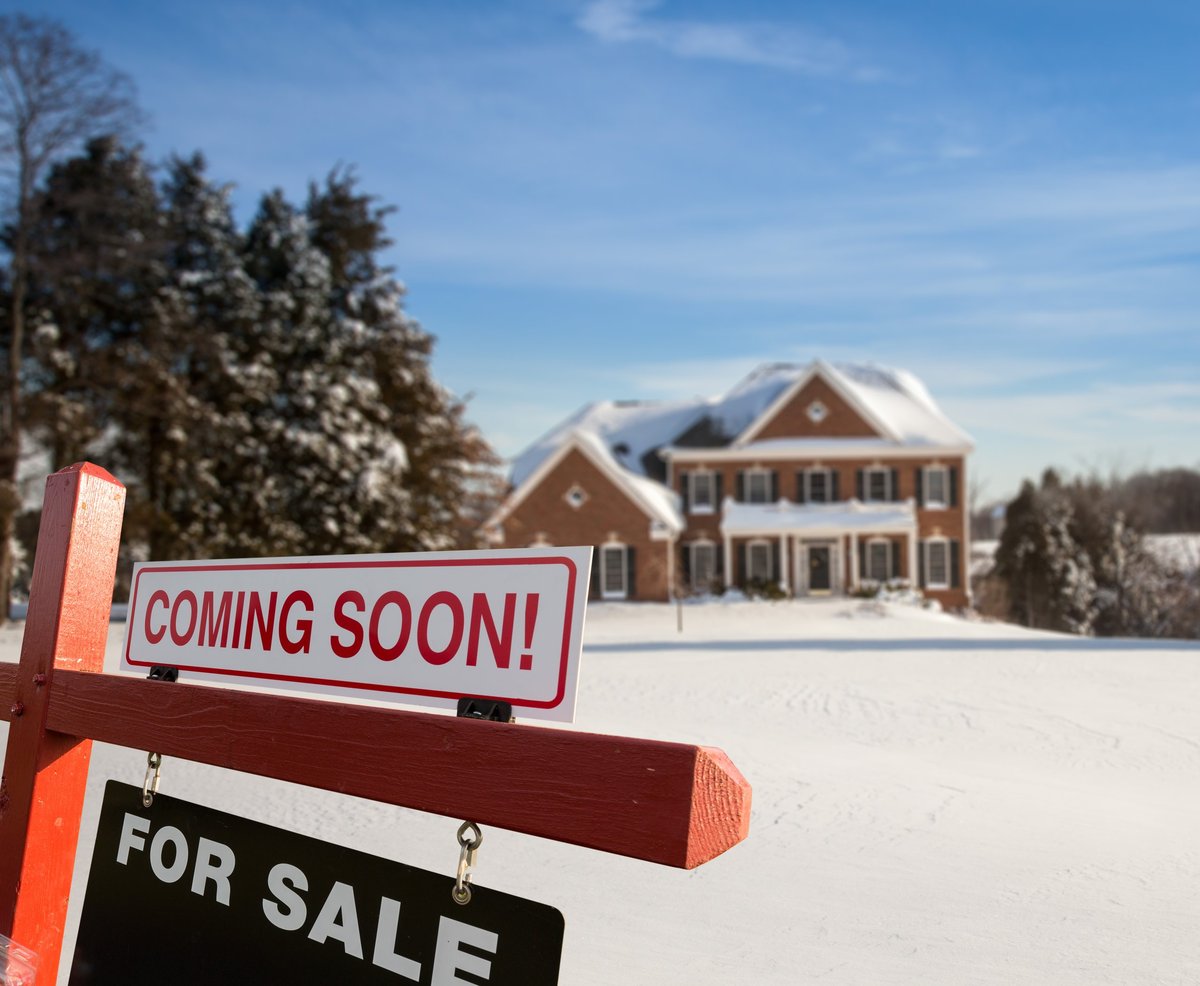
Almost everyone in real estate will tell you that spring is the best time to buy a home. Listings flood the market, inventory is high, there is plenty to choose from. What they do not always tell you is that spring is also when you face the most competition, the most aggressive offers, and the least negotiating leverage of any time of year. For Triangle buyers who are willing to look while everyone else is waiting for the azaleas to bloom, January and February offer something the spring market almost never does: a real advantage.
Sellers in January and February Are Motivated
Think about who lists their home in January or February. They are not testing the market. They are not waiting to see what spring brings. They listed in the slowest, coldest part of the year because they need to sell. A job transfer, a divorce, a financial change, an estate, a growing family that cannot wait another four months. Whatever the reason, sellers who are on the market in winter are typically more motivated than sellers who list in April with six competing buyers coming through on the first weekend.
That motivation translates directly to negotiating leverage for you. Sellers who need to move are more willing to negotiate on price, contribute to closing costs, accept reasonable repair requests after inspection, and work with your timeline. The posture of the negotiation is different in January than it is in May.
Less Competition Means Fewer Bidding Wars
The spring market in Raleigh-Durham brings buyers out of the woodwork. Multiple offer situations, escalation clauses, and offers written with shortened due diligence periods are common in March, April, and May. Buyers frequently feel pressure to move fast, waive things they should not waive, and pay more than they planned.
January and February are different. Total buyer activity drops significantly. The people competing against you for any given home are the serious buyers, the ones who have been pre-approved and are actively searching, not the browsers who come out when the weather gets nice. Fewer competing buyers means you have time to think, time to negotiate, and a much lower probability of ending up in a bidding war that pushes you over your budget.
You Get More Attention From Everyone Involved
In a slow market, your agent has more time for you. Your lender has more time for you. The home inspector you want can actually get on the schedule within a few days. The closing attorney is not juggling forty transactions at once.
The entire ecosystem around a real estate transaction operates more smoothly and with more personal attention in January and February than it does during the spring rush. That matters. Deals fall apart not just because of price disagreements but because of dropped balls, rushed timelines, and overloaded professionals who cannot give your transaction the attention it deserves.
Prices Tend to Be Softer
Raleigh-Durham home prices follow seasonal patterns. Data consistently shows that homes sold in the winter months, particularly January and February, sell at lower average prices than homes sold in the spring peak. Some of that reflects the mix of homes on the market. More of it reflects the negotiating dynamic described above. This does not mean homes are cheap in January. It means the same home that might generate three offers at $420,000 in April might accept $405,000 in February from a well-qualified buyer with a clean offer. Over the life of a 30-year mortgage, that $15,000 difference in purchase price is meaningful.
The Inventory Concern Is Real but Manageable
The honest counterpoint to all of this is inventory. January and February do have fewer active listings than spring. You will have less to choose from. If you are highly specific about a very narrow set of criteria, the winter market may not have what you need.
The way to manage this is to start your search in the fall, get fully pre-approved so you are ready to move quickly when the right home appears, and be willing to move on a good opportunity without waiting to see what else comes up. Buyers who prepare in advance and stay engaged through the winter are the ones who find the deals. Buyers who wait until March because they want more options end up competing with everyone else who had the same idea.
What to Do Right Now
If you are thinking about buying in early 2027, now is the time to get your financing in order, get pre-approved, and start paying attention to what is on the market. Set up saved searches on Zillow or Realtor.com so you can see new listings as they hit. Connect with an agent who will alert you to properties that match your criteria before they are widely marketed.
The buyers who win in January and February are not the ones who woke up on January 2nd and decided to start looking. They are the ones who did their preparation in October and November and were ready to act when the right home came available.
At Jon Tennant Real Estate and Business Brokerage, we help Triangle buyers find the right home in any market condition. If you are thinking about buying in early 2027, reach out now and we will get you ready.
Contact Jon