
Open houses are one of the most misunderstood tools in real estate. Sellers either expect them to single-handedly sell their home or they dismiss them as a waste of time. The truth is somewhere in the middle — here is how they actually work in the Triangle market.
Jon Tennant
Real Estate & Business Brokerage · Triangle, NC
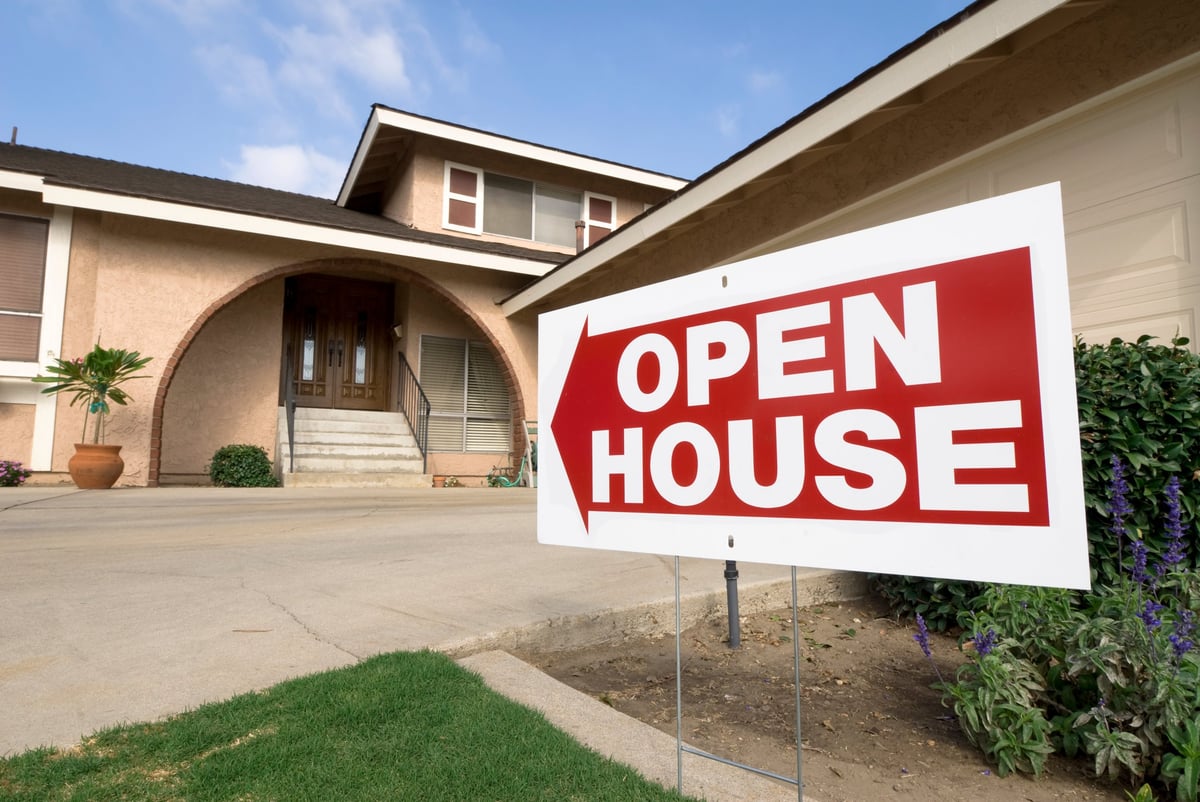
Sunday afternoon open houses are a Triangle tradition — but they are a marketing event, not a sales event.
Most homes in Raleigh-Durham do not sell because someone wandered in off the street on a Sunday afternoon. They sell because a motivated, pre-approved buyer saw the listing online, liked what they saw, and scheduled a private showing. The vast majority of serious buyers are working with an agent and have already toured the home privately before making any decisions.
That does not mean open houses are useless. It means your expectations need to be calibrated. An open house is a marketing event, not a sales event. Its job is to generate buzz, create competition, and make the listing feel active and in-demand. Here are the five myths I hear most often from sellers across Wake, Durham, Johnston, and Franklin counties.
Myth
Your buyer almost certainly found your home online first. Open house attendees are overwhelmingly second-look visitors, curious neighbors, and buyers early in their search — not the person who writes your offer. The open house does not create the buyer; it gives an already interested buyer a reason to come through the door, and it gives your listing social proof.
Myth
Holding open house after open house week over week is not a sign of strong marketing. In many cases it is a signal to buyers that the home is not moving, which creates the opposite of the urgency you want. If a home has been sitting open every weekend for six weeks, buyers start asking what is wrong with it.
One or two well-promoted open houses early in the listing period — ideally in the first two weeks — tend to perform far better than a prolonged series. The goal is to create a moment where multiple interested parties are in the home at the same time. That energy signals demand.
Myth
They do not. A significant portion of open house traffic is neighbors who are curious about the home, people casually browsing with no intent to buy in the near future, and other agents scoping the competition. That is fine and it is not wasted effort — neighbors talk and casual browsers sometimes turn into referrers. But going into an open house expecting a parade of pre-approved buyers ready to write offers is setting yourself up for disappointment.
Myth
If anything, an open house requires the home to be in better shape than a private showing. In a private showing the buyer scheduled a specific time and is there for a reason. In an open house, first impressions hit cold and they have to compete with everyone else walking through at the same time.
If the home is not ready for a magazine shoot, it is not ready for an open house.
Myth
This is a real concern that sellers do not always think about. Before an open house, remove or secure anything valuable — jewelry, medications, financial documents, and small electronics. Personal photos, mail, and anything with your address or sensitive information should be put away. A good agent will have a sign-in process, but open houses by their nature invite people in you do not know. Take that seriously.
A well-promoted open house in these conditions can absolutely generate strong foot traffic and create the competitive energy that leads to offers.
In these cases the open house is not the problem — but it is not the solution either.
An open house is one tool in a larger marketing strategy, not a strategy by itself. If your agent is suggesting an open house, make sure it is backed by strong digital promotion, good signage, and a clean well-staged home.
If your agent is suggesting the fifth open house in a row on a listing that is not moving, the conversation you need to have is about price, not scheduling.
At Jon Tennant Real Estate and Business Brokerage, every listing gets a marketing plan tailored to the property. Reach out if you want to talk through your pricing, presentation, and what role an open house should — and should not — play in your strategy.