
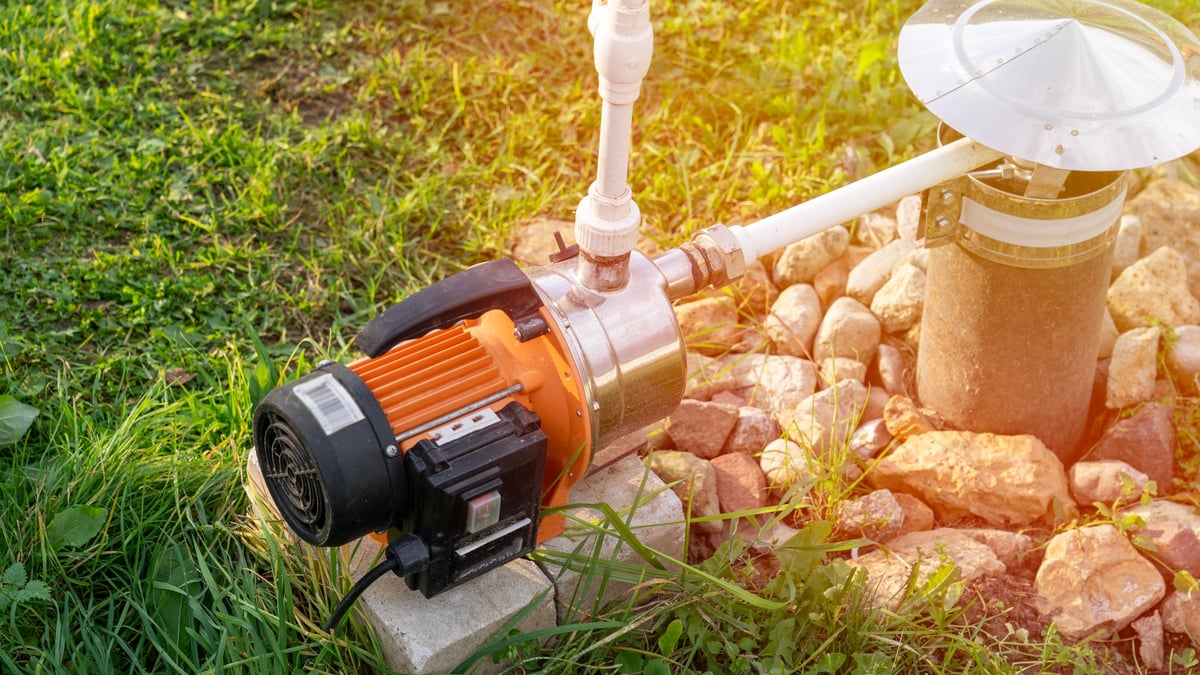
A significant portion of homes in North Carolina, particularly in rural and semi-rural areas of Wake, Johnston, Chatham, and surrounding counties, rely on private wells for water and septic systems for wastewater rather than municipal utilities. For buyers who have always lived in cities or suburbs with city water and sewer, this is unfamiliar territory. For buyers considering land, acreage properties, or homes outside incorporated town limits, understanding how wells and septic systems work is not optional. Here is what you need to know before you make an offer.
A private well draws water from an underground aquifer beneath the property. The homeowner owns and is responsible for maintaining the well, the pump, the pressure tank, and any filtration systems attached to it. There is no monthly water bill from a utility company, which is a financial benefit. The tradeoff is that the quality and quantity of the water supply are entirely the homeowner's responsibility to monitor and maintain.
Wells in North Carolina vary in depth, flow rate, and water quality depending on the geology of the area. Some properties have wells that have produced clean, abundant water for decades with no issues. Others have wells that produce water with elevated iron, minerals, bacteria, or other contaminants that require treatment. You cannot know which situation you are buying into without testing.
Before you close on any home with a private well in NC, you must have the water tested. This is not optional and not something to skip to save money. A basic water quality test typically runs $50 to $150 and screens for bacteria, nitrates, pH, hardness, and other common concerns. More comprehensive panels that include heavy metals, pesticides, and VOCs cost more and may be appropriate depending on the property's history and location.
The NC Department of Health and Human Services recommends testing well water annually. In a real estate transaction, a water quality test during due diligence gives you a clear picture of what you are buying. If the test reveals contamination, you have options: negotiate with the seller to address the issue, request a price reduction to account for treatment costs, or walk away.
Beyond water quality, the well itself should be inspected by a licensed well contractor. The inspection covers the pump, pressure tank, well casing, and overall system condition. Pump replacements run $800 to $2,500 depending on depth and type. A failing pressure tank runs $300 to $600 to replace. These are manageable costs if you know about them in advance. They are unpleasant surprises if you discover them after closing.
Never skip the water test. A $50 to $150 test during due diligence is the single cheapest piece of protection a buyer has on a well property.
A conventional septic system has two main components: a septic tank and a drain field (also called a leach field). Wastewater from the home flows into the septic tank, where solids settle and liquids flow out to the drain field, where they are filtered through the soil. A properly functioning septic system is effective, low-maintenance, and largely invisible in daily life. A failing one is expensive and disruptive.
Septic systems in NC are permitted and regulated by the county health department. The permitted capacity of a system, measured in gallons per day, is based on the number of bedrooms the home was permitted for at the time the system was installed. Adding bedrooms to a home on septic may require a system upgrade.
Every home with a septic system should be inspected before closing. A septic inspection involves locating and opening the tank, checking the inlet and outlet baffles, inspecting the distribution box, and evaluating the condition of the drain field. Inspections typically run $200 to $400. Pumping the tank, which is recommended every three to five years and is often done at the time of an inspection, runs $300 to $600.
The most expensive septic failure is drain field failure. A failing drain field cannot be repaired in most cases and must be replaced, which involves significant excavation and new soil absorption testing. Drain field replacement in NC can run $5,000 to $20,000 or more depending on soil conditions and system size. This is not a cost you want to discover after you own the home.
Some sellers have records of prior septic pumping and maintenance. Ask for them. A system that has been pumped and maintained regularly is a better sign than one with no documented service history.
Most conventional loans and FHA loans will lend on properties with wells and septic systems as long as the systems pass inspection and the water test comes back clean. VA loans have additional requirements including a water test that must meet VA standards. Some lenders require that the well and septic system are a minimum distance apart, typically 50 to 100 feet depending on the loan type.
If the well or septic system fails inspection and the seller will not remedy the issue, your financing may be at risk. Understand your loan requirements before you go under contract on a property with private utilities.
No monthly water or sewer bills is a real financial benefit over time. In areas with city utilities, water and sewer combined can run $80 to $150 per month or more. Over a 30-year ownership period, that is $30,000 to $54,000 in utility costs you are not paying on a well and septic property.
Well and septic properties also tend to be on larger lots with more privacy, which is part of what attracts buyers to rural and semi-rural living in the first place.
The key is going in with eyes open, getting the right inspections, and understanding what you are responsible for as the owner. At Jon Tennant Real Estate and Business Brokerage, we represent buyers on well and septic properties throughout Wake, Johnston, and Chatham County and know how to structure due diligence to protect you. Reach out before you make an offer.
Test the water, inspect the well and septic system, ask for maintenance records, and understand your loan requirements before you go under contract. Do those four things and a well and septic property can be an excellent, low-cost long-term investment.
Common questions about buying a well and septic home in North Carolina.
We represent buyers on well and septic properties throughout Wake, Johnston, and Chatham County and know how to structure due diligence to protect you. Reach out before you make an offer.