
Published: October 12, 2026
By Jon Tennant · Triangle Real Estate & Business Broker
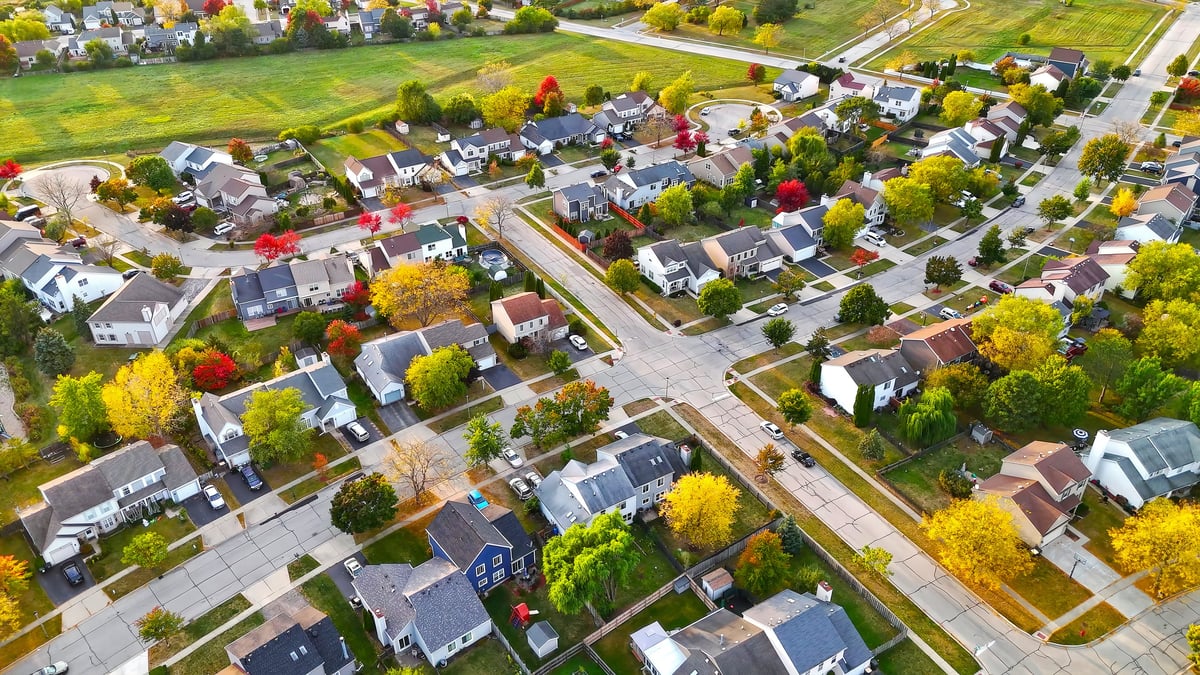
North Raleigh and Cary are the two most popular destinations for families relocating to the Triangle, and the comparison between them comes up constantly. Both are suburban, well-maintained, and well-resourced. Both have strong schools, easy highway access, and a range of housing from starter homes to luxury. But they have genuinely different characters, different price dynamics, and different tradeoffs that matter depending on your priorities. Here is how to think through the choice.
North Raleigh is a broad swath of suburban Raleigh stretching from roughly I-440 north to the Wake Forest and Rolesville borders. It includes established neighborhoods like Stonehenge, Wakefield Plantation, Falls of Neuse, and North Hills, as well as newer development along Strickland Road and near 540. Commutes to downtown Raleigh, the State Capitol corridor, and Research Triangle Park all run differently depending on which part of North Raleigh you are in. The 540 outer loop gives North Raleigh good access to RTP and to the broader Triangle, but rush hour on Falls of Neuse Road and Six Forks Road can be slow.
Cary sits southwest of Raleigh and is one of the most connected suburban communities in the Triangle. The intersection of I-40, US-1, and NC-55 gives Cary excellent access to RTP to the north, to Raleigh to the east, and to Apex and Holly Springs to the south. For buyers who work at RTP or who need to travel to multiple parts of the Triangle regularly, Cary's position in the metro is genuinely advantageous.
If your office is in downtown Raleigh, North Raleigh is the more direct commute. If your office is at RTP, Cary wins. If you work from home or your commute is flexible, this factor matters less than neighborhood character and school assignment.
Entry-level single-family homes start in the low to mid $400,000s. Desirable areas like Wakefield, North Hills, and homes near Falls Lake run $500,000 – $800,000 and above. New construction in the far northern reaches runs $450,000 – $600,000.
Entry-level single-family homes start around $425,000 – $450,000. The $500,000 – $700,000 range is the family home sweet spot. Western Cary near Apex and new communities along Cary Parkway push into the $700,000 – $1M range.
Cary runs consistently higher per square foot than most of North Raleigh and carries a school quality premium that buyers are willing to pay. For buyers where value per square foot is a priority, specific pockets of North Raleigh will offer more house at a given price than Cary. For buyers where the Cary school premium and established community character are the priority, the price difference is typically considered worth it.
Both North Raleigh and Cary are served by Wake County Public Schools. School assignment is address-based, so always verify the specific school for any property you are considering.
Cary has a strong and well-established reputation for school quality. It feeds several of the most sought-after school zones in Wake County, including Green Hope High School, which consistently ranks among the top public high schools in North Carolina. The school premium built into Cary home prices is real and consistent across market cycles.
North Raleigh also has strong schools. Wakefield High School, Millbrook High School, and Leesville Road High School all have solid reputations. Specific elementary zones in North Raleigh are highly rated. The school quality in North Raleigh is genuine, but the name recognition and collective reputation of Cary's school zones is stronger, which is reflected in home values.
For families where a specific high school is the priority, research the exact address before narrowing your search. Do not assume that being in Cary or North Raleigh guarantees a particular school assignment.
North Raleigh has a more varied character than Cary simply because it covers a larger and more diverse geographic area. The inner part of North Raleigh near North Hills has an upscale, walkable mixed-use feel anchored by North Hills mall and its surrounding restaurants and retail. The outer parts of North Raleigh near Wake Forest Road and Strickland feel more traditionally suburban. Neighborhoods like Wakefield have a strong community identity with golf, greenways, and organized activities. There is a lot of variation within North Raleigh depending on where exactly you land.
Cary has a more uniform and polished identity. It is one of the most planned communities in the Southeast, and that intentionality shows in its parks system, greenways, Booth Amphitheatre, and civic infrastructure. The town has a strong HOA culture, well-maintained common areas, and a suburban polish that attracts buyers who value consistency and predictability in a community. Crossroads Plaza and Cary Towne Boulevard cover almost every practical retail and dining need without leaving town.
Both markets have active new construction but in different forms. Cary's new construction is concentrated in its western and southern edges, in communities that border Apex and along Cary Parkway, often in the $600,000 and above range. The closer-in parts of Cary are largely built out.
North Raleigh has more new construction options across a wider price range, particularly in the far northern reaches along the 540 corridor and in communities closer to Wake Forest. Buyers who want newer construction at a more accessible price point often find more options in North Raleigh than in Cary.
At Jon Tennant Real Estate and Business Brokerage, we help buyers navigate the North Raleigh and Cary markets every day. Reach out and we will help you figure out which community fits your life.
Get a straight, no-pressure read on North Raleigh, Cary, and the rest of the Triangle market. Jon will help you weigh budget, schools, commute, and lifestyle so you land in the right place.
Contact Jon