
Published: October 3, 2026 · By Jon Tennant
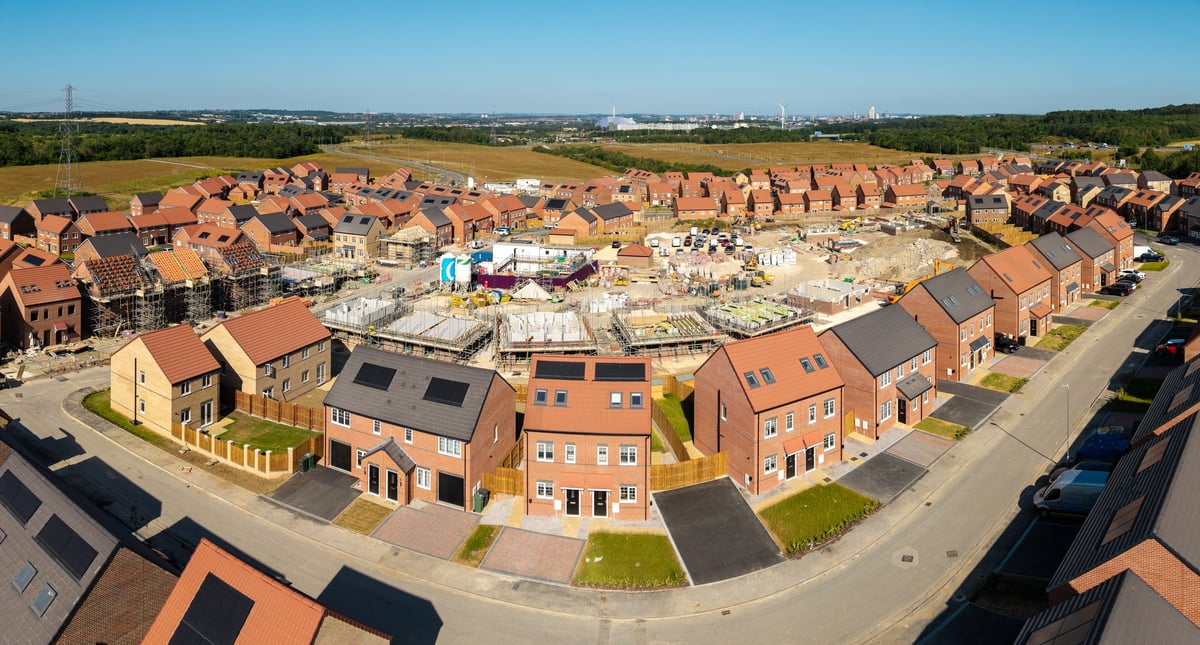
New construction is one of the most appealing options for Triangle buyers right now. Move-in ready, modern finishes, builder warranties, and no bidding war against other buyers on the same house. It sounds like the easy path, and in many ways it is. But there are things about buying new construction that first-time and even experienced buyers consistently get surprised by. Here is what to watch out for before you sign a builder contract.
This is the first and most important thing to understand. When you walk into a new construction sales office, the agent behind the desk represents the builder, not you. Their job is to sell homes at the best price and terms for the builder. They are good at it.
Bring your own buyer's agent to any new construction purchase. A good buyer's agent who knows the builder and the market will negotiate upgrades, closing cost contributions, and lot premiums on your behalf. They will also flag issues in the contract that a first-time buyer would not know to look for. Most builders pay the buyer's agent commission out of their own budget, so this representation costs you nothing.
Builders advertise starting prices to get you in the door. By the time you finish selecting your lot, your elevation, your structural options, and your design center upgrades, the final price is often 15% to 30% above the base price you saw on the sign.
A home advertised starting at $450,000 may end up at $530,000 to $580,000 by the time you add the corner lot premium, the extended garage, the kitchen package upgrade, and the hardwood flooring. This is not a scam. It is just how new construction pricing works. Go into the process knowing this and set your upgrade budget before you sit down in the design center. The design center is beautifully designed to make you want everything and the costs add up fast.
Every builder defines standard features differently. In some communities, the base price includes quartz countertops, hardwood floors, and smart home technology. In others, it includes builder-grade carpet and laminate. Get a detailed spec sheet before you compare prices across communities.
Also know what is not included. Most new construction communities do not include window treatments, landscaping beyond basic grading and sod, a refrigerator, or any personal property. Some communities have significant additional costs like irrigation systems, fencing, or specific HOA setup fees that are not visible in the base price.
Builder contracts are written by the builder's legal team to protect the builder. They are not the same as a standard North Carolina real estate contract. Key things to look for before signing:
Have your own attorney review the builder contract before you sign it. It is worth the few hundred dollars.
Builders will tell you their homes are inspected throughout the construction process. That is true, but those inspections are done by inspectors working for or hired by the builder. Hire your own independent inspector at two stages: a pre-drywall inspection (before the walls are closed up) and a final inspection before closing.
Pre-drywall is the most valuable inspection a new construction buyer can do. It gives you a view of the framing, electrical, plumbing, and insulation while it is still exposed and fixable at no cost to you. Issues caught at pre-drywall are fixed by the builder. Issues discovered after you close are your problem.
Many new construction communities in the Triangle have homeowner associations, and some have Public Improvement Districts (PIDs) on top of them. A PID is an additional assessment levied on property owners to fund the infrastructure improvements (roads, utilities, parks) that the developer built. It appears as a line item on your property tax bill and can run several hundred to over a thousand dollars per year.
Ask specifically about both HOA monthly dues and any PID or special assessment districts before you go under contract. These costs are real, ongoing, and not always prominently disclosed in builder marketing.
If you are financing your new construction purchase, be aware that lenders require an appraisal. In some markets and price ranges, new construction appraisals can come in below the contract price, particularly when there are not enough comparable closed sales in the same community.
If the appraisal comes in low and your contract does not have an appraisal contingency protecting you, you may be required to make up the difference in cash or lose your deposit. Builder contracts often limit or eliminate appraisal contingency rights. Know what your contract says.
Builder warranties are a genuine benefit of new construction. Most NC builders provide a one-year workmanship warranty, a two-year systems warranty (electrical, plumbing, HVAC), and a ten-year structural warranty. These are meaningful protections that resale homes do not offer.
Know the process for using the warranty. Submit issues in writing, keep records of all communications, and do not assume verbal promises from sales agents will be honored post-closing. The warranty is only as good as the builder's willingness to honor it, and that varies.
At Jon Tennant Real Estate and Business Brokerage, we represent buyers in new construction purchases across Wake and Durham County and know the builders, the communities, and the negotiating leverage points. Reach out before you sign anything.
We represent buyers across Wake and Durham County and know the builders, the communities, and the negotiating leverage points. Reach out before you sign anything.