
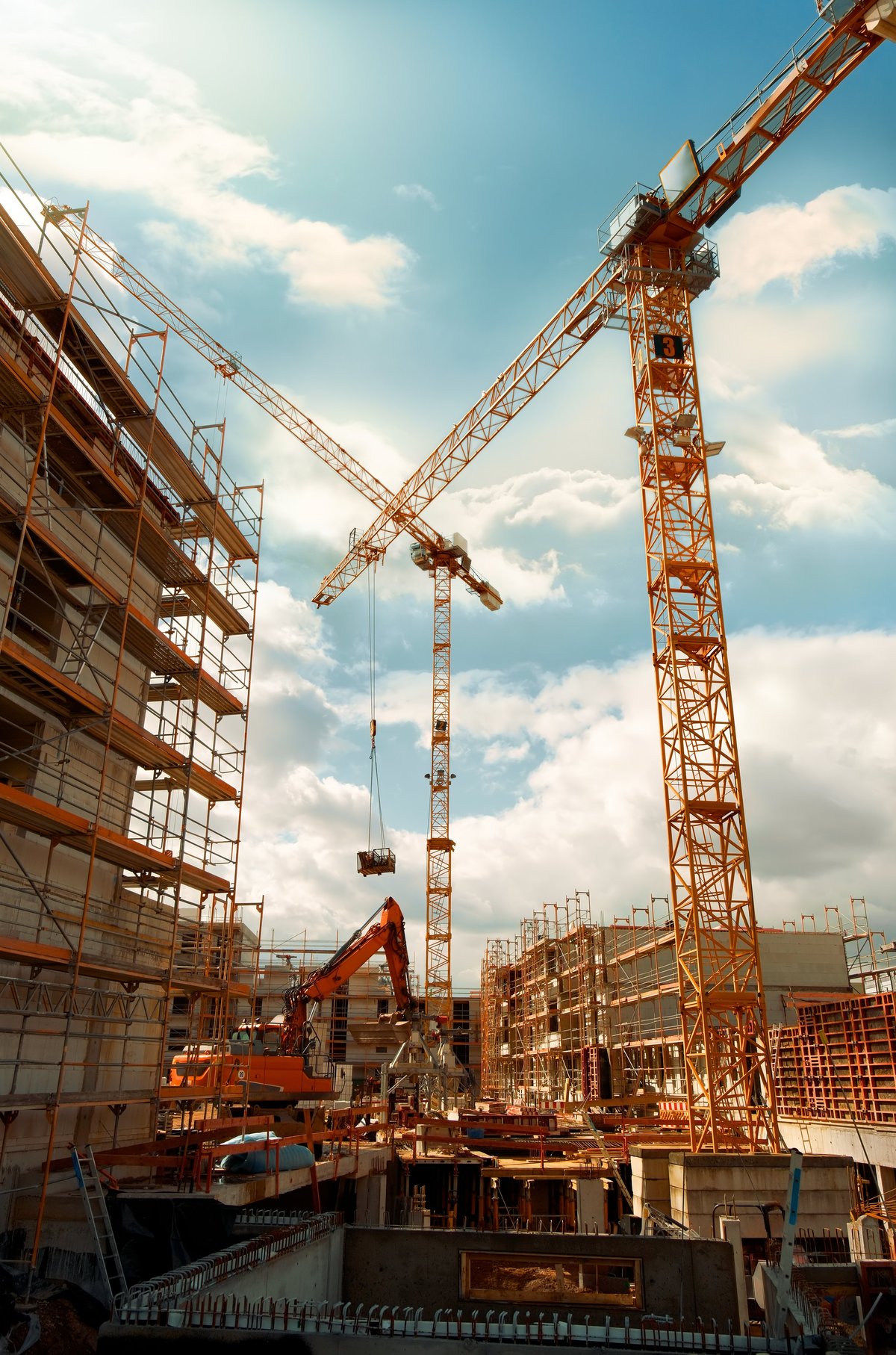
The Triangle is booming, infrastructure spending is up, and buyers are actively hunting for contractors with solid track records. Here is what construction owners in North Carolina need to understand before going to market.
Jon Tennant
Real Estate & Business Brokerage · Midtown Mergers and Acquisitions
Construction businesses in North Carolina are in demand right now. The Triangle is booming, infrastructure spending is up, and buyers, including private equity groups and strategic acquirers, are actively looking for contractors with solid track records. If you are a construction business owner thinking about an exit, the market is working in your favor. But the process has some unique wrinkles you need to understand before you go to market.
Construction business valuations vary more by specialty than almost any other industry. Here is what the data shows for 2026:
The average revenue multiple across construction businesses is 0.56x, meaning a business doing $1.5 million in annual revenue might be valued around $840,000 on a revenue basis. Earnings-based valuations will usually give you a more accurate picture for profitable operations.
Construction buyers zero in on a handful of things that can make or break a deal.
The biggest one. If you are the estimator, the project manager, the main client contact, and the person signing every check, buyers will discount your price significantly. A business that can operate without you at the center of it commands a meaningfully higher multiple. Start delegating and documenting before you go to market.
Buyers want to see 12 or more months of contracted work at good margins. A strong visible backlog reduces risk for the buyer and supports a higher valuation. If your pipeline is thin, that is a reason to wait before selling.
In North Carolina, general contractor licenses are issued by the NC Licensing Board for General Contractors and do not automatically transfer to a buyer. The buyer will need to obtain their own license or have a qualifying party in place. Specialty trades have their own licensing requirements. Get ahead of this with a business broker and attorney early so it does not derail your closing.
Your bonding line took years to build and is one of your most valuable hidden assets. However, surety companies often reduce the bonding line by 30% to 50% in the first year under new ownership. Buyers know this and will factor it into their offer. Be prepared to discuss it.
Your Experience Modification Rate (EMR) matters to buyers, especially larger or institutional ones. An EMR under 0.9 is a positive signal. An EMR at 1.0 or above can reduce your buyer pool and your price.
If one general contractor or developer makes up 40% or more of your revenue, that is a risk factor buyers will price in. Diversifying your customer base before selling improves your multiple.
Beyond licensing, there are a few other things specific to selling a construction business in North Carolina.
Most construction business sales are structured as asset purchases rather than stock purchases. This limits the buyer's exposure to unknown liabilities. Be prepared for this and work with an attorney to structure the deal correctly.
If you own your shop, yard, or office space, those assets are typically sold or leased separately from the operating business. Decide early whether you want to sell the real estate alongside the business or retain it as a landlord.
Key subcontractor relationships that are critical to your operation should be documented and, where possible, introduced to the buyer during transition. Buyers will ask about this during due diligence.
Construction businesses typically take six months to a year to sell from the time of listing. The median time on market across the construction and specialty trade category runs around 185 to 200 days. Starting the process early, with clean books and licensing issues sorted, shortens that timeline considerably.
Give yourself at least 12 to 24 months of runway before your target exit date. Use that time to reduce owner dependence, build your backlog, clean up your financials, and get your licensing and bonding situation documented. The more buttoned-up the business looks, the more a buyer will pay and the faster it will close.
At Jon Tennant Real Estate and Business Brokerage, operating under Midtown Mergers and Acquisitions, we work with construction and trade business owners across Wake and Durham County who are ready to plan their exit the right way.
Let's talk through valuation, timing, and what it takes to get your business buyer-ready — confidentially, with no pressure.