
Property types, cap rate valuation, due diligence, and SBA 504 financing — what first-time commercial buyers in Raleigh-Durham need to know before they make an offer.
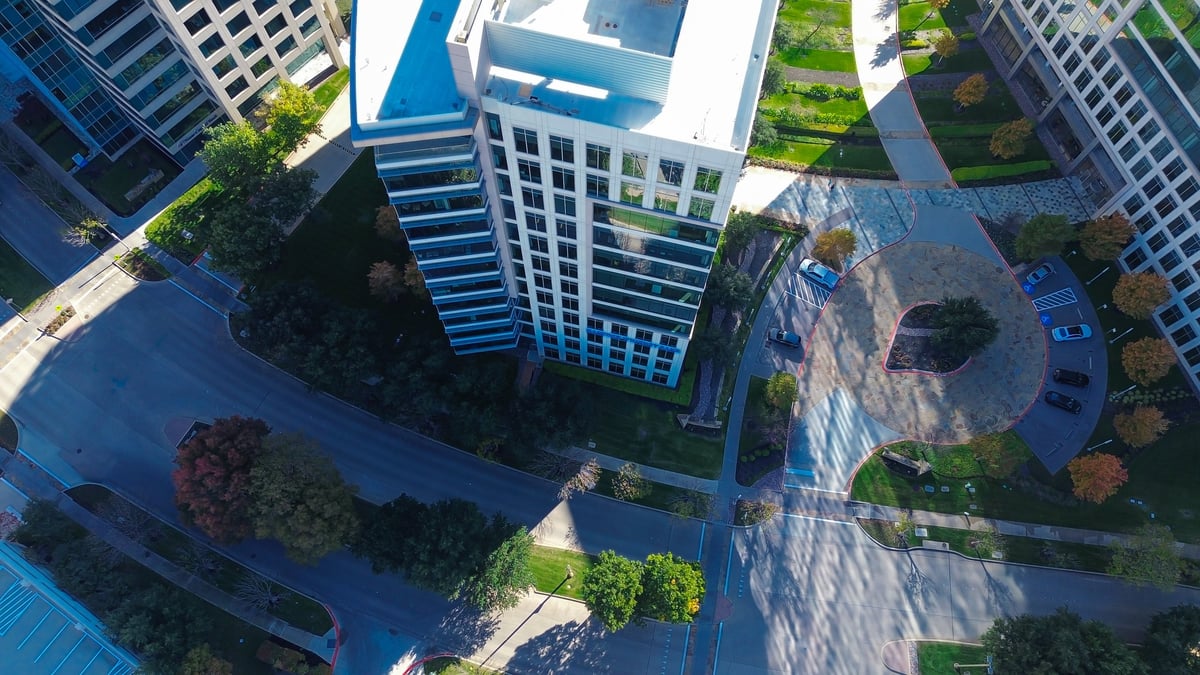
Buying commercial real estate in the Triangle is one of the most powerful wealth-building moves available to business owners and investors in North Carolina right now. The Raleigh-Durham metro has consistently ranked among the top markets in the country for commercial real estate investment, driven by population growth, corporate relocations, and a diversifying economy anchored by Research Triangle Park. But buying commercial property is fundamentally different from buying a home, and first-time commercial buyers who approach it without understanding the process often overpay, overlook critical risks, or miss better opportunities. Here is what you need to know.
Commercial real estate covers a wide range of property types, and each has different income characteristics, risk profiles, and buyer pools.
Retail includes strip centers, standalone restaurant pads, shopping centers, and mixed-use storefronts. Retail performance is tied to tenant quality, traffic counts, and trade area demographics.
Office includes professional office buildings, medical office, and flex office. The Triangle office market has seen shifts in demand post-pandemic, with suburban office and medical office performing better than traditional downtown Class A.
Industrial and flex includes warehouses, distribution centers, manufacturing facilities, and flex (office-warehouse hybrid) space. Industrial has been the strongest performing asset class in the Triangle over the past several years, driven by e-commerce, logistics, and life sciences demand.
Multifamily includes apartment complexes and is technically residential but regulated and financed as commercial above four units. The Triangle multifamily market remains one of the most active in the Southeast.
Mixed-use combines two or more of the above in a single development. Grace Park in Morrisville and downtown Raleigh and Durham developments are examples of mixed-use commercial investment opportunities.
Unlike residential properties, which are valued primarily by comparable sales, commercial properties are valued primarily on their income. The two most common valuation methods are:
Divide the property's net operating income (NOI) by the current market cap rate for that asset class and location. NOI is gross rental income minus operating expenses, not including debt service. This gives you the property's estimated market value as a pure investment.
A simpler calculation that divides the sale price by annual gross rents. Used as a quick screening tool rather than a precise valuation.
Owner-occupied buyers: For owner-occupied commercial properties where you are buying the building to operate your own business, the investment analysis shifts to comparing your mortgage payment against what you would otherwise pay in rent, plus building equity and appreciation upside.
Commercial due diligence is more complex than residential. Key items include:
If the property has tenants, every lease must be reviewed by your attorney. Lease terms, rent escalations, renewal options, tenant improvement obligations, co-tenancy clauses, and termination rights all affect the property's income and value.
A Phase I Environmental Site Assessment is standard for most commercial purchases and required by most lenders. If the Phase I identifies recognized environmental conditions, a Phase II may be required.
A commercial survey (ALTA survey) is more detailed than a residential survey and will reveal easements, encroachments, and boundary issues that affect the property's use.
Confirm that your intended use is permitted under the current zoning classification. For many commercial purchases, this is straightforward — but in the Triangle's rapidly evolving regulatory environment, it is worth a call to the relevant planning department to confirm.
A commercial property inspection covers structural, mechanical, electrical, plumbing, and roof systems. Factor estimated capital expenditure requirements into your pricing analysis.
For income-producing properties, request estoppel certificates from tenants confirming their lease terms, absence of landlord defaults, and security deposit status.
Commercial real estate loans are structured differently from residential mortgages. Key differences:
Commercial loans typically require 20-35% down, depending on property type, loan program, and lender.
Most commercial loans have a 5, 7, or 10-year fixed rate period with a 20-25 year amortization. This means the loan balloons at the end of the fixed period and must be refinanced or paid off.
If you are buying a commercial property to occupy for your own business, the SBA 504 loan program allows you to put as little as 10% down on owner-occupied commercial real estate. This is one of the most favorable financing structures available to small business owners buying their own building.
Commercial lenders underwrite based on the property's ability to service the debt from its income. A DSCR of 1.25 is typically the minimum, meaning the property generates 25% more income than the annual debt payment.
Commercial real estate transactions are almost always handled by licensed commercial brokers rather than residential agents. A commercial broker who knows the Triangle market can help you identify on-market and off-market opportunities, analyze deal economics, negotiate purchase terms, and navigate due diligence.
Buyer representation in commercial real estate is typically compensated by the seller through the listing broker's commission, similar to residential. You generally do not pay out of pocket for buyer representation.
Wake County GDP reached $104.1 billion in 2024, up 3.3% year over year. The Triangle adds an average of 64 new residents per day. RTP continues to attract major corporate tenants in life sciences, technology, and advanced manufacturing. The combination of population growth, corporate investment, and a relatively constrained supply of quality commercial product in key submarkets creates a favorable environment for buyers willing to do the work to find and underwrite good deals.
+3.3%
Year-over-year growth
64/day
New residents in the Triangle
At Jon Tennant Real Estate and Business Brokerage, we represent commercial buyers and investors across the Triangle. Reach out for a confidential conversation about your commercial real estate goals.
Contact JonBuying commercial real estate in the Triangle NC
Let's talk through your goals, your budget, and what the right commercial acquisition looks like for you.