
If you follow Triangle real estate at all, you have probably heard the name Chatham Park. It is the kind of project that comes along once in a generation — a planned community so large in scope that it will fundamentally reshape the western edge of the Triangle over the next several decades. Here is what Chatham Park is, where it stands today, and what it means for buyers, investors, and the broader Triangle market.
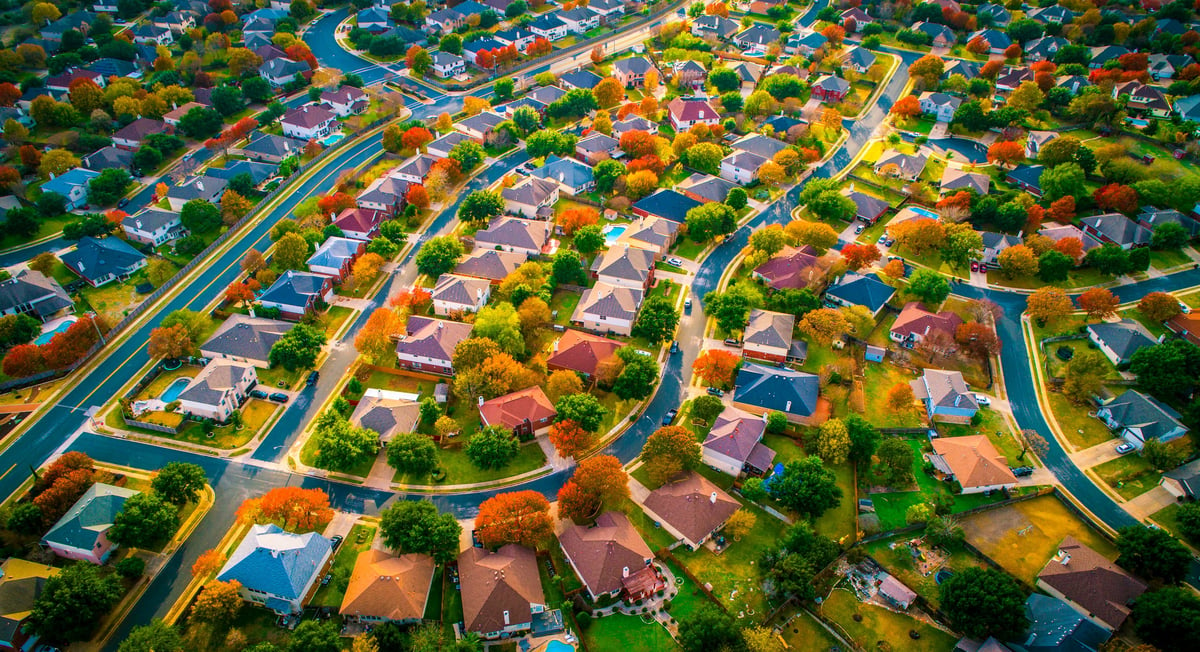
Chatham Park is a master-planned development located in Pittsboro, Chatham County, North Carolina, approximately 30 miles southwest of Raleigh and 20 miles southwest of Chapel Hill. When fully built out, it is projected to include up to 22,000 residential units, 22 million square feet of commercial space, schools, parks, a town center, and its own internal road network — all within a single planned development spanning thousands of acres.
To put that in perspective, 22,000 homes is roughly equivalent to adding a mid-sized city to the Triangle. The project is being developed by Preston Development Company, which has been one of the most active developers in the Triangle for decades. Chatham Park received its master development agreement from the Town of Pittsboro in 2015 and has been in various stages of construction and planning since.
As of 2026, Chatham Park is well into its early phases. Hundreds of homes have been built and occupied across multiple neighborhoods within the development. The internal road network is taking shape. Retail and commercial development is underway along the primary corridors. A Harris Teeter anchored commercial center has opened, bringing the first major grocery anchor to the development and significantly improving the day-to-day livability of the community.
Schools to serve the development are part of the planning, and Chatham County has been working to accommodate the infrastructure needs that come with a project of this scale. The pace of development has been deliberate — this is a 30 to 40-year buildout, not a project that will be complete in five years.
The implications of Chatham Park extend well beyond Pittsboro and Chatham County.
For buyers priced out of Wake County, Chatham Park offers a new option. A home in Chatham Park is a reasonable commute to RTP, Chapel Hill, and southern Wake County, in a master-planned environment with modern infrastructure, at price points that have historically been more accessible than comparable product in Cary or Apex. As the development matures and more amenities open, the value proposition strengthens.
For investors, the commercial corridors within and adjacent to Chatham Park represent a long runway of opportunity. Retail, medical office, flex industrial, and hospitality development will follow the rooftops as the residential population grows. Early commercial positions in a development of this scale can be highly valuable as the market catches up to the infrastructure. For the broader Triangle, Chatham Park is part of the reason Chatham County has been one of the fastest-growing counties in North Carolina over the past decade. The population growth it generates supports the regional economy, creates demand for services across the Triangle, and will eventually influence transportation planning, school funding, and commercial development patterns well beyond Pittsboro itself.
Chatham Park sits at the intersection of two major transportation corridors — US-1 running north to Raleigh and south toward Sanford, and US-64 running east toward Apex and Cary and west toward Siler City. The accessibility of these corridors to the broader Triangle is one of the development's core selling points. The planned extension of I-540 (the Western Wake Freeway) further strengthens connectivity between Chatham County and the rest of the Triangle.
For buyers considering a Chatham Park home, understanding the commute options along US-1 and US-64 during peak hours is important practical due diligence. Traffic on these corridors will grow as the development adds population, and infrastructure improvements will need to keep pace.
If you are considering a home in Chatham Park, there are a few things worth understanding before you visit a model home:
The amenities, schools, and commercial development that will make Chatham Park a fully realized community are not all open today. Buying in an early phase means you are buying into a vision as much as a current reality. The vision is compelling — but the timeline is measured in decades.
Confirm the current tax rate and understand how it may change as the county's tax base grows with the development.
Chatham Park has its own community structure with fees that support the shared amenities and infrastructure. Understand what is included, what the current fee levels are, and how they are expected to change as the community grows.
Multiple builders are active within Chatham Park across different neighborhoods and price points. Research the specific builder you are working with, not just the master development.
Chatham Park is the most ambitious real estate development in the Triangle's recent history, and it is real — homes are being built, people are moving in, and the community is growing. For buyers who are willing to invest in a community that is still maturing, it offers a combination of modern planned infrastructure, competitive pricing relative to northern Wake County, and long-term appreciation potential tied to one of the largest development projects on the East Coast.
At Jon Tennant Real Estate and Business Brokerage, we work with buyers across the Triangle and Chatham County who are evaluating their options. Reach out for a conversation about whether Chatham Park fits your goals.
We work with buyers across the Triangle and Chatham County who are weighing their options. Reach out for a straight conversation about whether Chatham Park fits your goals.